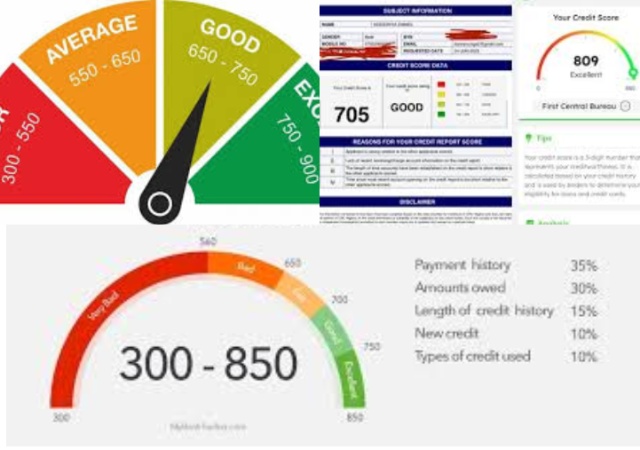
Building a strong credit score in Nigeria is essential if you want easy access to loans, lower interest rates, and better financial opportunities Your credit score shows lenders how reliable you are when it comes to repaying borrowed money.
A good credit score is built through responsible borrowing, timely repayments, and proper monitoring of your financial records with licensed credit bureaus in Nigeria This guide explains everything you need to know and the exact steps you can take to improve your credit profile.
What Is a Credit Score and Why Does It Matter in Nigeria?
A credit score is a numerical rating that represents your creditworthiness It is calculated based on your borrowing and repayment history, including loans, credit cards, and in some cases, utility bill payments In Nigeria, banks and fintech companies rely on credit scores to decide:
- Whether to approve your loan
- How much to lend you
- The interest rate to charge
- The repayment duration
A strong credit score gives you financial flexibility, while a poor credit score can limit your access to credit and increase borrowing costs.
How Credit Scores Are Determined in Nigeria
- Your credit score is influenced by several factors, including:
- Payment history: Whether you repay loans on time
- Credit utilization: How much of your available credit you use
- Number of loan applications: Too many applications signal high risk
- Length of credit history: How long you’ve been using credit Credit report accuracy: Correct and updated records
These details are collected and managed by licensed credit bureaus in Nigeria.
Steps to Build Your Credit Score in Nigeria
Pay Loans Promptly and Consistently
Timely loan repayment is the most important factor in building a good credit score Every missed or late payment is recorded and can damage your credit profile.
Best Practices:
- Set reminders for repayment dates
- Enable auto-debit if available
- Always pay before or on the due date
- Consistency proves to lenders that you are financially responsible and reliable.
Use Only Reputable Loan and Fintech Platforms
Not all loan apps report customer data to credit bureaus To build your credit score, you must borrow from trusted banks or fintech platforms that share repayment records with licensed bureaus.
Using unverified or informal lenders does not help your credit profile and may expose you to financial risks.
Tip:
Always confirm that a lender reports to Nigeria’s credit bureaus before taking a loan.
Manage Your Debt Level (Credit Utilization Ratio)
Credit utilization is the percentage of your available credit that you are currently using Financial experts recommend keeping this below 30%.
Example:
If your credit limit is ₦100,000, your outstanding balance should not exceed ₦30,000.
Low utilization shows lenders that you can control spending and manage debt wisely, which boosts your credit score.
Avoid Multiple Loan Applications at the Same Time
Applying for many loans at once makes you appear financially unstable Each loan request creates a record (credit inquiry) that can temporarily reduce your credit score.
Smart Strategy:
- Apply for one loan at a time
- Research lenders before applying
- Wait until your current loan is repaid before applying for another
- This approach protects your credit history and improves your approval chances.
Regularly Check and Monitor Your Credit Report
- Checking your credit report helps you
- Understand your current credit status
- Identify errors or fraudulent records
- Track improvements in your credit score
Mistakes such as wrong loan amounts or false missed payments can lower your score Reporting and correcting them early keeps your record accurate.
Start with Small, Manageable Loans
If you are new to credit, begin with small loans that are easy to repay This allows you to build trust with lenders and establish a positive repayment history.
Gradually, as your score improves, you can qualify for higher loan limits and better interest rates.
- Key Credit Bureaus in Nigeria
Nigeria has licensed credit bureaus that manage and store credit records for individuals and businesses.
- CRC Credit Bureau
CRC Credit Bureau collects and maintains borrower data from banks and fintech institutions across Nigeria It provides credit reports that lenders use to assess loan applications Individuals can request their credit reports to monitor their financial standing.
- First Central Credit Bureau
First Central Credit Bureau also offers credit reporting services nationwide It helps lenders evaluate risk and allows consumers to review and improve their credit profiles by tracking repayment history and correcting errors.
Additional Tips to Maintain a Healthy Credit Score
- Pay Utility Bills and Subscriptions on Time
- Some financial records may include utility and service payments Late payments can indirectly affect your financial reputation.
- Avoid Loan Defaults
- Defaulting on a loan severely damages your credit score and can remain on your report for years.
- Keep Old Accounts Active
- A longer credit history improves your score Avoid closing old accounts unnecessarily.
- Borrow Only What You Can Repay
Do not take loans beyond your financial capacity Responsible borrowing is the foundation of a good credit score.
Frequently Asked Questions (FAQs)
What is a good credit score in Nigeria?
ANS: A good credit score in Nigeria generally falls within the higher range provided by credit bureaus It shows that you repay loans on time and manage debt responsibly, making lenders more willing to approve your loan applications.
How long does it take to build a credit score in Nigeria?
ANS: It can take several months of consistent loan repayment to build a noticeable credit history Strong scores usually develop over time through continuous responsible borrowing and timely payments.
Can I build a credit score without taking a loan?
ANS: Your credit score is mainly built through borrowing and repayment behavior Without taking any form of credit, it is difficult to create a credit history Starting with a small loan is often the easiest way.
How often should I check my credit report?
ANS: You should check your credit report at least once or twice a year, or anytime you plan to apply for a major loan.
Do multiple loan apps affect my credit score?
ANS: Yes. Applying to many loan apps at once can reduce your score because it signals high financial risk to lenders.
What happens if I miss a loan payment?
ANS: Missing a payment negatively affects your credit score and remains on your credit report for a long time, making future loan approvals more difficult.
Building a strong credit score in Nigeria requires discipline, smart borrowing, and consistent repayment habits By paying loans on time, keeping your debt low, avoiding multiple loan applications, and monitoring your credit report, you can steadily improve your financial profile.
A good credit score is a powerful financial asset that opens doors to better loan opportunities, lower interest rates, and long-term financial stability Start today with small steps and build a future ready credit reputation.
Leave a Reply