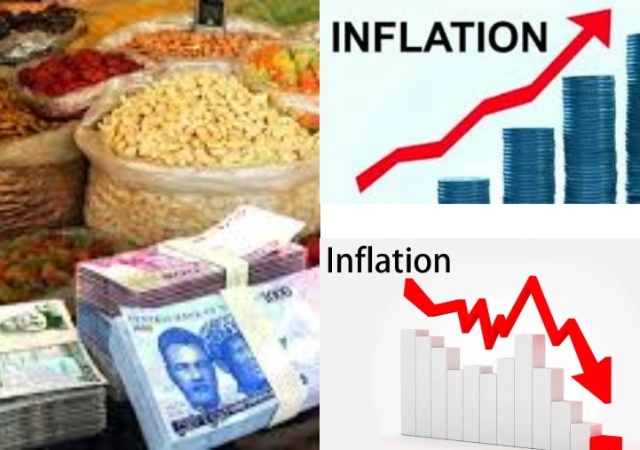
Inflation in Nigeria has made everyday living more expensive Food prices rise almost monthly, fuel costs fluctuate constantly, and the value of the naira continues to weaken against major foreign currencies For many Nigerians, saving money now feels nearly impossible because whatever you set aside today can buy much less tomorrow.
Traditional bank savings accounts are no longer effective tools for wealth preservation Most banks offer interest rates that are far below the inflation rate, meaning your money actually loses value over time when left in a normal savings account To survive financially in an inflationary economy, Nigerians must move beyond basic saving and adopt smarter strategies that actively protect purchasing power.
This guide explains in detail how to save money in Nigeria despite high inflation by using inflation hedging investments, aggressive cost control, and income expansion strategies.
What is inflation
Inflation means a continuous rise in the general prices of goods and services over time When inflation is high, the value of money falls this means ₦1,000 today can buy fewer goods than it did last year In simple terms, the cost of living increases while purchasing() power decreases.
In Nigeria, inflation has become a major economic challenge affecting food prices, transportation, rent, fuel, and basic household needs.
Causes of Inflation in Nigeria
- Rising Food Prices
Food makes up a large part of household spending in Nigeria Problems such as:
- Insecurity in farming regions
- Poor transportation and storage
- Flooding and climate issues
- lead to lower food supply and higher prices.
- Fuel Price Increases
Fuel affects almost everything transport, electricity, and production When fuel prices rise, businesses increase the prices of goods and services to cover higher costs.
- Currency (Naira) Devaluation
When the Naira weakens against foreign currencies, imported goods become more expensive Since Nigeria imports many items (fuel, machinery, food, and raw materials), this pushes prices up.
- High Cost of Production
- Businesses face high costs for
- Electricity and generators
- Raw materials
- Transportation
These costs are transferred to consumers as higher prices.
- Money Supply and Government Spending
When too much money circulates in the economy without matching production, inflation rises Government borrowing and spending can increase money supply and push prices higher.
Effects of Inflation in Nigeria
- Reduced Purchasing Power
People can buy less with the same income Salaries often remain the same while prices increase.
- Higher Cost of Living
Rent, food, school fees, and transport become more expensive, making life harder for low and middle-income earners.
- Savings Lose Value
Money saved in cash or low interest accounts loses value over time because inflation grows faster than interest earned.
- Business Uncertainty
Inflation makes it difficult for businesses to plan costs and prices, reducing investment and job creation.
- Increase in Poverty
When basic goods become too expensive, more people struggle to meet daily needs.
How Nigerians Try to Protect Themselves from Inflation
- Investing in assets like stocks, mutual funds, and real estate
- Starting side businesses and multiple income streams
- Buying in bulk before prices rise
- Using budgeting and expense tracking apps
- Holding part of savings in stronger currencies
Why Inflation Makes Saving Difficult in Nigeria
Inflation occurs when the general price level of goods and services rises continuously over time In Nigeria, inflation is driven by factors such as exchange rate instability, fuel subsidy removal, supply chain challenges, and high import dependence.
When inflation rises:
- The naira loses purchasing power
- Basic necessities become more expensive
- Salaries struggle to keep up with rising costs
- Savings stored in banks lose real value
For example, if inflation is 20% per year and your bank savings earn only 5% interest, your money is effectively shrinking by 15% in real terms This is why many Nigerians feel poorer even when they try to save To beat inflation, you must make your money grow faster than prices increase.
Investment Strategies to Hedge Against Inflation
Saving alone is not enough. You must invest in assets that either grow in value or generate income at rates that match or exceed inflation.
- Treasury Bills and Government Bonds
Treasury Bills (T bills) and Federal Government bonds are low risk investments backed by the Central Bank of Nigeria (CBN) They are considered among the safest financial instruments in the country.
Benefits:
- Guaranteed returns
- Low risk
- Predictable income
- Suitable for conservative investors
These instruments often offer interest rates close to or above inflation, making them more effective than normal bank savings accounts.
Treasury Bills are short term (91, 182, or 364 days), while bonds are long term (2 to 30 years) Both protect capital while providing steady income.
Money Market Funds (MMFs)
Money Market Funds pool investors’ money and invest in short term, low risk instruments like Treasury Bills and commercial papers.
Popular Nigerian platforms include:
- Cowry wise
- PiggyVest
- Risevest
- ARM Money Market Fund
MMFs typically offer returns between 12% and 15% annually, far better than traditional savings accounts.
Advantages:
- Easy to start with small amounts
- Liquid (you can withdraw easily)
- Managed by professionals
- Lower risk than stocks
They are ideal for emergency funds and medium term savings goals.
Foreign Currency Savings
Due to constant naira devaluation, saving in foreign currencies such as US dollars provides protection against currency risk.
- Ways to save in foreign currency
- Open a domiciliary account
- Use digital investment platforms that offer USD savings
- Invest in dollar based mutual funds
When the naira weakens, the value of your dollar savings increases in naira terms This strategy is especially useful for people planning to travel, study abroad, or import goods.
Stocks and Equity Investments
Stocks represent ownership in companies and can grow in value over time During inflation, companies often raise prices to match rising costs, which can increase profits and stock prices.
Dividend paying stocks on the Nigerian Exchange (NGX) such as
- Dangote Cement
- MTN Nigeria
- Zenith Bank
- Guaranty Trust Holding Company
provide both income and capital appreciation Stocks are best suited for long term investors who can tolerate market fluctuations.
Real Estate Investment
Real estate is one of the strongest inflation hedges because property values and rental income usually rise with inflation.
Benefits include:
- Asset appreciation
- Rental income
- Long term wealth preservation
Although real estate requires higher capital, smaller investments can be made through real estate investment trusts (REITs).
Gold and Commodities
Gold and silver have historically been safe stores of value during economic instability They are tangible assets that retain worth when currencies weaken Commodities such as agricultural produce and energy related assets also benefit from rising prices, making them useful inflation hedges.
Drastic Cost Cutting Measures
Inflation increases expenses, but you can reduce its impact by controlling your spending habits.
Buy in Bulk
Buying food and household items in bulk helps you avoid frequent price hikes and reduces transportation costs Staples such as rice, beans, garri, and cooking oil are cheaper when purchased in larger quantities.
Optimize Your Budget
Create a realistic budget that prioritizes essential needs:
- Food
- Housing
- Utilities
- Transportation
- Eliminate or reduce
- Luxury items
- Unnecessary subscriptions
- Impulse purchases
- Tracking expenses helps you identify wasteful spending
Transportation Efficiency
Fuel costs and transport fares rise quickly during inflation You can save money by
- Using public transportation
- Carpooling
- Walking short distances
These small adjustments accumulate into large savings over time.
Reduce Eating Out
Eating outside regularly is expensive Cooking at home significantly reduces food expenses and gives you better control over nutrition and quality.
Income Generation and Protection
Inflation affects not just savings but also income Increasing your earnings is one of the strongest ways to fight rising prices.
Build Multiple Income Streams
Relying on one job is risky Consider:
- Freelancing
- Online businesses
- E-commerce
- Consulting
- Diversifying income sources increases financial security
Earn in Foreign Currency
Remote work allows Nigerians to earn in dollars or euros Fields such as:
- Writing
- Programming
- Graphic design
- Digital marketing
- provide opportunities to earn internationally and protect against naira depreciation.
Upskill for Higher Income
Investing in education and skills is one of the best long term strategies Learning high demand skills increases employ ability and earning power.
Automate Savings
Use fintech apps like PiggyVest and Cowry wise to
- Automatically deduct money
- Lock savings away
- Prevent impulse spending
- Automation builds discipline and consistency
- Psychological Discipline in an Inflationary Economy
Saving during inflation requires mental strength Constant price increases can lead to panic spending or discouragement a disciplined mindset is essential.
Key habits include:
- Delayed gratification
- Long-term thinking
- Financial education
- Avoiding emotional purchases
- Building financial discipline is as important as choosing the right investments
Common Mistakes Nigerians Make During Inflation
Keeping all money in normal savings accounts
- Panic buying without planning
- Ignoring budgeting
- Refusing to invest due to fear
- Depending on one income source
- Avoiding these mistakes improves financial resilience.
Frequently Asked Questions (FAQs)
What is the safest way to save money in Nigeria during inflation?
ANS: Treasury Bills, Money Market Funds, and foreign currency savings are among the safest options.
Is it still wise to save in naira?
ANS: Yes, but only if combined with investments that outperform inflation.
Which apps help Nigerians save better?
ANS: Cowrywise, PiggyVest, and Risevest offer better returns than banks.
Can low-income earners invest?
ANS: Yes Many platforms allow small starting amounts.
Saving money in Nigeria during high inflation requires a shift from traditional saving habits to smarter financial strategies Inflation reduces the value of idle cash, but with the right combination of investments, spending control, and income growth, Nigerians can protect their purchasing power and build financial stability.
By investing in Treasury Bills, Money Market Funds, foreign currency savings, and productive assets like stocks and real estate, while also cutting unnecessary costs and increasing income streams, you can stay financially strong despite economic challenges.

Leave a Reply