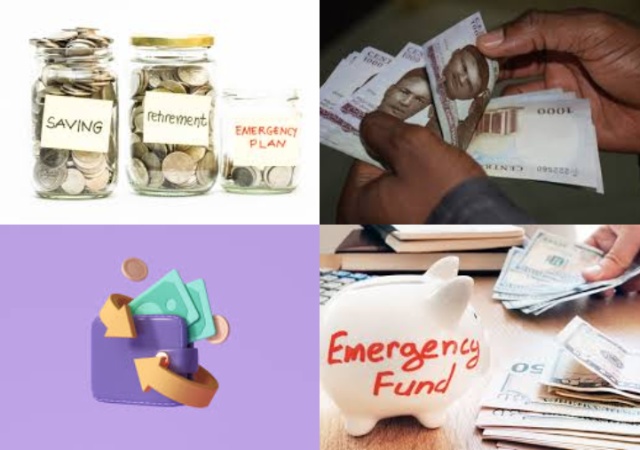
Nigerians should build an emergency fund by saving 3 to 6 months of essential living expenses in a separate, high yield, or easily accessible account Start by calculating monthly, non negotiable costs rent, food, utilities and automate savings of ₦5,000 to ₦10,000+ monthly Utilize fintech platforms such as ( Piggy vest, Cowry wise) to avoid temptation Building an Emergency Fund in Nigeria A Complete Step by Step Guide.
Building an emergency fund in Nigeria is one of the smartest financial decisions you can make With rising inflation, unstable income for many households, and unexpected life events, having a financial safety net can protect you from falling into debt when emergencies happen.
An emergency fund is money set aside strictly for urgent and unexpected expenses such as:
- Medical bills
- Car or generator repairs
- Job loss or salary delays
- Family emergencies
Financial experts recommend saving 3 to 6 months of your essential living expenses This guide explains in simple language how Nigerians can build an emergency fund gradually, even on a low income, using smart strategies and digital tools.
What Is an Emergency Fund and Why Is It Important in Nigeria?
ANS: An emergency fund is cash reserved for life’s surprises It is not money for shopping, vacations, or gadgets It is a financial cushion that keeps you stable during difficult moments.
Why Emergency Funds Matter in Nigeria?
ANS: Nigeria’s economy is unpredictable Prices change fast, and many people depend on one source of income Without emergency savings
- You may borrow from loan apps at high interest
- You may sell assets cheaply
- You may fall behind on rent or school fees
- With an emergency fund
- You avoid debt
- You stay financially independent
- You protect your long term savings and investments
- How to Build an Emergency Fund in Nigeria (Step by Step Guide)
Step 1 Define Your Target and Start Small
Calculate Your Essential Monthly Expenses
First, determine how much money you need monthly to survive, not to enjoy luxury Focus only on necessities
Examples of Essential Expenses
- Rent or house contribution
- Food and groceries
- Transportation
- Electricity and water
- Phone and internet data
- Basic medical needs
Add these expenses together to get your monthly survival cost
Example
If your essential monthly expenses are ₦100,000, then:
- 3 months = ₦300,000
- 6 months = ₦600,000
This becomes your long-term emergency fund target
Set a Realistic Savings Goal
If saving ₦300,000 or ₦600,000 feels impossible, start small.
Small Goals Build Big Results
You can begin with:
- ₦50,000
- ₦100,000
- ₦150,000
Once you reach that first goal, increase it gradually.
Start Immediately
Even saving:
- ₦5,000 per month
- ₦10,000 per month
is better than waiting for “enough money” to start The habit matters more than the amount.
Step 2
Keep Your Emergency Fund Separate and Accessible Use a Dedicated Savings Account
Your emergency fund should not be in your normal spending account If it is, you will be tempted to spend it.
Why Separation Is Important
- Reduces temptation
- Makes tracking easier
- Keeps the fund safe
- Builds discipline
Use High-Interest Savings Options Choose accounts that are:
- Easy to access
- Safe
- Not risky
- Liquid (can withdraw anytime)
- Fintech platforms like PiggyVest, Cowrywise, and AltBank allow users to create separate savings wallets and earn interest while keeping money accessible.
Avoid Risky Places for Emergency Funds
Your emergency fund should NOT be kept in:
- Cryptocurrency
- Betting platforms
- Stocks with high volatility
- Business capital
Why Risk Is Dangerous
Emergencies come suddenly If your money is in risky assets, its value may drop when you need it most Emergency funds must be stable and safe.
Step 3
Automate Your Savings
Save Automatically to Build Consistency
Automation removes stress and temptation Once your salary or income comes in, your emergency fund should be funded immediately.
How Automation Works
- Set weekly or monthly auto save
- Transfer money after payday
- Lock funds from daily spending
Benefits of Automation
Builds discipline
- Prevents impulse spending
- Makes saving effortless
- Ensures regular growth
Even irregular earners can automate savings weekly or per transaction.
Step 4:Strategies to Increase Your Emergency Savings
Cut Unnecessary Expenses
Look for areas where money leaks every month.
Common Areas to Reduce
- Multiple streaming subscriptions
- Frequent eating out
- Excessive data plans
- Luxury shopping
- Impulse buying
Practical Tip
Prepare food at home more often and redirect the savings into your emergency fund.
Use Windfalls and Extra Income
Any unexpected money should go straight to your emergency fund.
Examples of Windfalls
- Bonuses
- Gifts
- Tax refunds
- Side hustle income
- Freelance payments
Rule of Thumb
Do not spend sudden money emotionally Save it strategically.
Apply the 50, 30 or 20 Budget Rule Budget Breakdown
- 50% Needs: Rent, food, transport
- 30% Wants: Entertainment, fashion
- 20% Savings: Emergency fund + investments
Focus Emergency Fund First
Before investing or spending on luxuries, ensure your emergency fund is growing steadily.
Step 5 Know When to Use Your Emergency Fund and Define What a Real Emergency Is
Emergency funds are An emergency fund is money set aside only for unexpected and urgent situations It is not for planned expenses or wants Knowing when to use it and when not to is the key to staying financially stable.
- Medical emergencies
- Job loss
- Urgent house or car repairs
- Family crisis
- They are NOT for
- Black Friday sales
- Weddings and parties
- New phones
- Travel plans
Ask Before Spending
“Is this urgent, unexpected, and necessary?”
If the answer is no, do not touch the fund.
Step 6 Rebuild After Using the Fund Refill Your Emergency Savings Quickly
Once you use part of your emergency fund:
- Pause luxury spending
- Increase savings temporarily
- Redirect side income
Why Rebuilding Is Important ?
ANS: Without rebuilding, you remain financially exposed to the next emergency.
Make It a Priority
Treat rebuilding like paying a debt to yourself.
Common Mistakes Nigerians Make with Emergency Funds
Mistakes to Avoid
- Mixing savings with daily expenses
- Investing emergency money in risky assets
- Using it for shopping
- Waiting to earn more before starting
- Not tracking progress
- These mistakes delay financial security
Benefits of Building an Emergency Fund in Nigeria
Financial Benefits
- No panic during crises
- Reduced borrowing
- Stronger financial discipline
- Protection from inflation shocks
- Peace of mind
Emotional Benefits
- Less stress
- More confidence
- Better decision making
Frequently Asked Questions (FAQ)
What is an emergency fund in Nigeria?
ANS: An emergency fund is money saved for urgent and unexpected expenses such as medical bills, job loss, or urgent repairs.
How much should I save for emergencies?
ANS: You should save 3to 6 months of your essential living expenses Start small and grow gradually.
Where should I keep my emergency fund?
ANS: Keep it in a separate, safe, and easily accessible savings account, not in risky investments.
Can low-income earners build emergency funds?
ANS: Yes. Even ₦5,000 monthly builds a habit and grows over time.
Build Your Financial Safety Net Today
Building an emergency fund in Nigeria is not about how much you earn but about consistency and discipline Start small, keep the money separate, automate your savings, and use the fund only for true emergencies.
By following these steps:
- Define your goal
- Save regularly
- Avoid risky investments
- Spend wisely
- Rebuild after use
- you create a strong financial cushion that protects you from life’s surprises
- Your emergency fund is not just money it is peace of mind, security, and financial freedom.
Leave a Reply